
|
Listen to story
Getting your Trinity Audio player ready...
|
Background and Problem Statement
The inefficiencies and persistent failure to clearly articulate government policy positions in Zimbabwe are largely attributable to inadequate investment in civic education. As a result, a significant proportion of Zimbabweans remain excluded from meaningful participation in their civic and democratic duties. Public input into decision-making processes at both the National Assembly and Senate levels remains minimal, limiting democratic accountability and inclusive governance.
This civic education deficit weakens public understanding of constitutional processes, legislative reforms, and policy choices, thereby undermining participatory democracy. Addressing this gap is essential to strengthening citizen engagement and ensuring that governance processes reflect the will and interests of the broader population.
Opportunity for Participatory Democracy
The ongoing public consultation process on the Constitutional Amendment No. 3 Bill of 2026 presents a critical opportunity to test and advance participatory democratic practices in Zimbabwe. The Parliament of Zimbabwe has invited public submissions on the Bill, creating an important entry point for citizen engagement in national law-making.

This moment should serve as a catalyst for increased youth and public participation in Zimbabwe’s policy and legislative processes. If supported by deliberate civic education initiatives, the Amendment No. 3 consultations could mark the beginning of a more inclusive and informed democratic culture.
Call for Grassroots Civic Education
The Zimbabwe Network of Citizen Journalists (ZNCJ) calls for increased funding and structured programming for grassroots civic education, with a particular focus on youth-led organisations. Zimbabwean youth are increasingly organised into formal and informal associations built around shared identity, values, and collective interests. This organisational maturity provides an efficient and reliable platform for delivering civic education programmes with guaranteed reach and impact.
Investing in youth-focused civic education will not only enhance constitutional literacy but also strengthen long-term democratic participation across communities.
Ensuring Equitable Participation
To level the civic participation landscape, youth-led organisations affiliated with the ruling party, ZANU-PF, should activate targeted mobilisation campaigns to participate fully in constitutional and policy-related forums. These spaces have historically been dominated by opposition-led associations and regime-change-oriented groups.
Philanthropic funding and institutional directives should be channelled toward civic education workshops for emerging youth organisations. This would help balance participation by enabling these groups to engage at a level comparable to well-established civil society organisations, many of which primarily rely on Western donor funding.
Community-Level Mobilisation
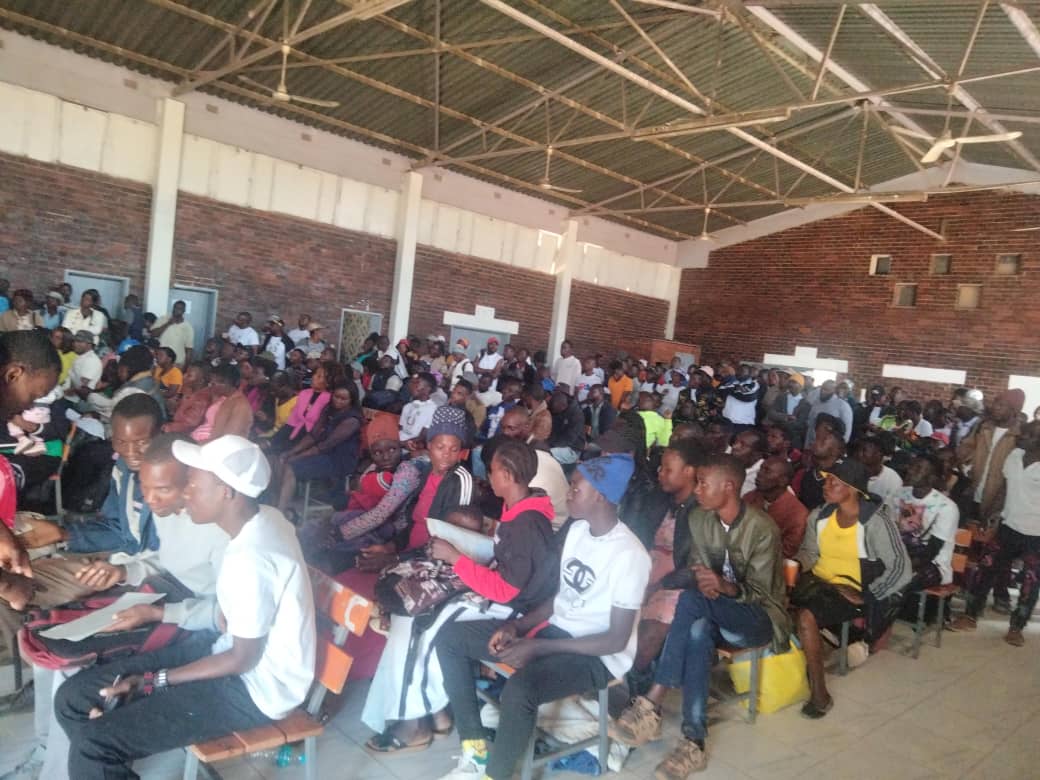
At the community level, members of the Children of Zimbabwe Liberation War Veterans Association (CZLWVA) in Chegutu District have called for the activation of civic education workshops. These initiatives aim to improve public understanding of the core provisions of Constitutional Amendment No. 3 and its intended role in enhancing public administration and electoral efficiency.
Key Provisions of Constitutional Amendment No. 3 Bill (2026)
The Constitutional Amendment No. 3 Bill of 2026 proposes several fundamental changes to Zimbabwe’s governance and electoral framework:
- The President would no longer be elected through a direct national vote. Instead, the President would be selected by a joint sitting of Parliament, comprising both the Senate and the National Assembly.
- The electoral cycle for both Parliament and the Presidency would be extended from five years to seven years, which government proponents argue would harmonise election timelines across public offices.
- Government officials have indicated that the Bill could pave the way for diaspora voting, subject to further amendments to electoral laws.
If enacted, these reforms would significantly alter the structure of presidential elections and the duration of elected mandates in Zimbabwe.
Government Rationale
Supporters of the Bill argue that the proposed changes would:
- Improve political stability and institutional efficiency
- Reduce the financial and administrative costs associated with frequent elections
- Align Zimbabwe’s governance framework with practices adopted in other jurisdictions